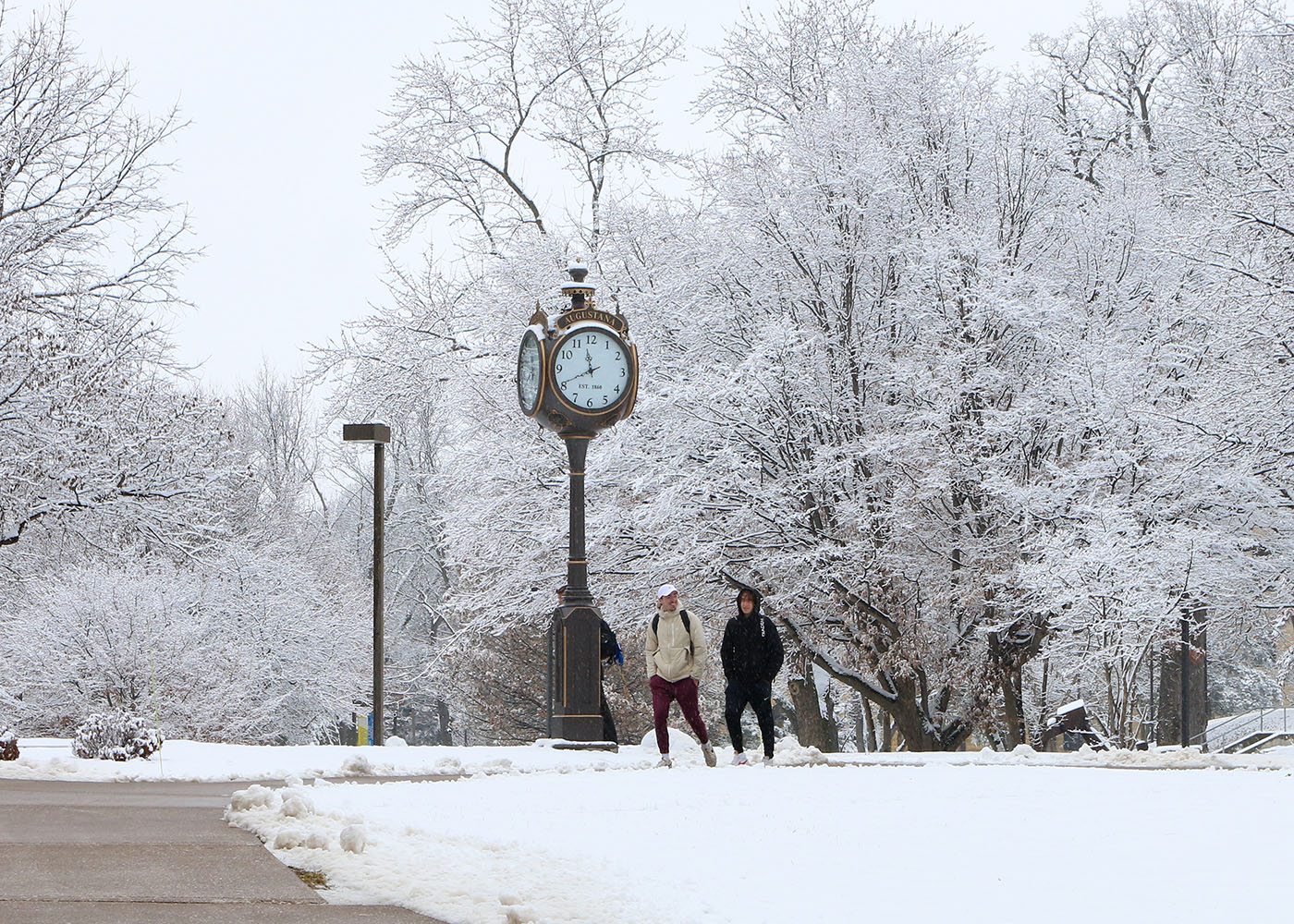
What I wish someone had told me before my first Midwest winter


Before moving to the Midwest, “winter” was no more than a word for light cold breezes and hoodies, a season I imagined as a minor inconvenience and an opportunity to buy new and trendy clothes. But the Midwest has its own version of winter, one that is beautiful and brutal all at once, and if you’re lucky enough, you might even incur the wrath of its mood changes.
If you’re someone who has never experienced a real winter before — especially the Midwest version of winter – I want to help you understand what lies ahead. Because, like everything unfamiliar, knowing what’s to come is half the job of overcoming it.
The cold is a different kind of cold
Let’s address the elephant in the room: Midwest winter is not “grab a light jacket” kind of weather. It is sharp, icy and sometimes unforgiving for anyone who forgets to check the weather before leaving their dorm. Temperatures drop below freezing, your eyes water instantly, and the wind can feel as if it is trying to slice through your skin and wake you up faster than coffee ever could.
Here is the reassuring part: you will adjust quicker than you expect. You’ll find a strange comfort in seeing your breath in the morning air, watching water freeze over. And if you have never seen snow before, the first snowfall will be a breathtaking sight you never get used to and will miss the moment it melts.
Layering is your new superpower
Before you can even say “winter is here,” you need to settle into the habit of putting on several layers of clothing. It might sound unnecessary at first, but once the cold settles in, layering becomes a strength that carries you through your daily routines and class schedules.
A warm base layer, soft sweaters, and a coat or jacket that seals in all that cozy heat will work like a superpower, helping you handle any sudden weather changes you might face here.
On a lighter note, even though layering can feel like a chore, it is always fascinating to see how many students pull off amazing winter looks while still staying snug and comfortable underneath all their layers.
Your boots are your best friends
If you have not grown up in the Midwest or in regions with heavy snowfall, it can be surprising to realize how much a good pair of boots can change your daily life in winter. With warm, waterproof boots, your feet stay dry and protected from the cold, and you can walk through thick snow without worrying about slipping or soaking your socks.
Instead of dreading the walk to class in regular shoes, you might even find yourself enjoying the feeling of stepping through fresh snow, almost like a gentle giant making their way across campus. Over time, those boots become less of an accessory and more of a quiet fluffy companion that follows you with every step.
Learning to enjoy and embrace winter
At first, winter might seem like something you simply have to survive, especially if you are far from home and still getting used to the cold. If you have watched the show “Game of Thrones,” the fear of winter suddenly feels real when you step outside to the howls of the wind.
Slowly but surely, you will start noticing the quieter and softer parts of this season. The way the snow seems to glow and bounce light back at you makes everything look brighter.
The way it piles softly on tree branches is like icing on a cake. And finally, the comfort of stepping into a warm building after walking for a couple of hundred steps. It can be so peaceful, calm and unexpectedly beautiful.
Learning to enjoy and embrace winter does not mean you will love every freezing morning or sudden snowfall. It does mean you will find your own routines and your own way of coping and cherishing the opportunities and scenery it presents in every corner of this beautiful campus.
Over time, this will help you grow into someone more patient, resilient, present and grateful for the winter world around you.

Summer Pandey is a junior international student from Nepal, pursuing a double major in data science and computer science with a minor in mathematics.